
Asakusa is one of Tokyo’s most rewarding neighborhoods for first-time visitors, and also one of the easiest to get overwhelmed by. In a few blocks, you’ll find a centuries-old temple, one of Japan’s oldest shopping streets, traditional restaurants, street snacks, quiet side streets, and a riverfront that feels worlds away from the crowds near Senso-ji.
You don’t need to see everything here to enjoy Asakusa. This guide walks through the main things to do, who each one is likely to appeal to, and how much time to set aside — so you can build a visit that fits your interests rather than trying to check off a list.

- Visit Senso-ji Temple
- Walk Through Nakamise Shopping Street
- Try Traditional Japanese Street Food
- Explore Asakusa’s Traditional Streets
- Try a Kimono Experience
- Take a Break at a Café
- Visit Asakusa Shrine
- Enjoy the Sumida River Area
- Walk Toward Kuramae for a More Local Atmosphere
- How Long Do You Need in Asakusa?
- A Simple Asakusa Route for First-Time Visitors
- Tips for Visiting Asakusa
- Final Thoughts
Visit Senso-ji Temple
Senso-ji is the reason most people come to Asakusa, and it’s a natural starting point for a first visit. It’s Tokyo’s oldest temple, and the walk through its grounds takes you past several distinct landmarks:
– **Kaminarimon**, the temple’s outer gate, marked by a massive red lantern and guardian statues
– **Nakamise**, the shopping street leading from Kaminarimon toward the temple (more on this below)
– **Hozomon**, the inner gate, flanked by two large guardian statues
– **The Main Hall**, where the temple’s principal image is enshrined
Senso-ji is an active Buddhist temple, not just a sightseeing stop, so it’s worth treating it with the same respect you’d show any place of worship — keep your voice down near the Main Hall, and follow any posted guidance about where visitors can and can’t go. The temple’s official site lists Main Hall hours as 6:00 a.m. to 5:00 p.m. (6:30 a.m. from October through March), but hours and access can change, so check the [official Senso-ji website](https://www.senso-ji.jp/english/) for current information before you visit.
If you’d like a quieter experience, mornings tend to be less crowded than midday, especially before the shops on Nakamise open.
Walk Through Nakamise Shopping Street
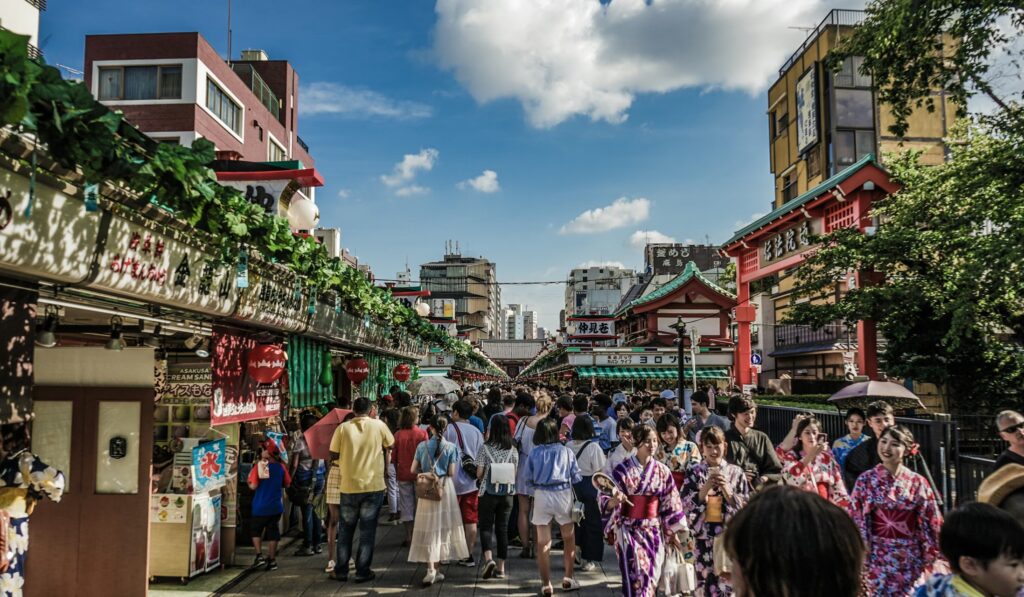
Nakamise is the approach to Senso-ji, and according to Senso-ji’s own official site, it’s one of Japan’s oldest shopping streets. It’s lined with small shops selling traditional crafts, souvenirs, and snacks, and it sets the tone for the rest of the temple visit — busy, colorful, and a little sensory-overload in the best way.
Plan for the street to be crowded, especially in the late morning and afternoon. If you’re mainly interested in browsing shops and taking in the atmosphere, a slow walk through is enough. If you’re interested in the snacks and street food along the way, that’s covered in more detail below — and in our dedicated [Asakusa street food](https://gojapanlocal.com/asakusa-street-food/) guide.
Try Traditional Japanese Street Food
Asakusa is one of the best neighborhoods in Tokyo to snack your way through an afternoon. Around Nakamise and the surrounding side streets, you’ll find vendors selling melon pan, dango, taiyaki, and other traditional Japanese sweets — the kind of food that’s easy to eat while walking between sights.
This isn’t the place to go deep on individual snacks, though. For a full rundown of what to look for and where, see our [Asakusa street food guide](https://gojapanlocal.com/asakusa-street-food/). And if you’d rather sit down for a proper meal instead of grazing, our [Asakusa Food Guide](https://gojapanlocal.com/asakusa-food-guide/) covers restaurants for tempura, soba, and other traditional dishes.
Explore Asakusa’s Traditional Streets
Once you’ve seen Senso-ji and Nakamise, it’s worth slowing down and wandering beyond the main approach. The streets just off the busiest routes have a noticeably different pace — older buildings, small shops, and a more neighborhood feel than the crowds near the temple gates.
You don’t need a specific destination for this part of the visit. Asakusa rewards unhurried walking, and giving yourself time to explore side streets is often what separates a rushed visit from a memorable one.
Try a Kimono Experience
Renting a kimono is a popular way for visitors to experience Asakusa a little differently — walking through the temple grounds and traditional streets dressed for the setting makes for a memorable afternoon and, for many travelers, some of their favorite photos from Japan.
It’s not necessarily the right activity for everyone; it takes extra time for dressing and returning the kimono, and it works best if you’re not in a hurry. If it appeals to you, our guide to [kimono rental in Asakusa](https://gojapanlocal.com/best-kimono-rental-asakusa/) compares the available options so you can find one that fits your schedule and budget.
Interested in exploring Asakusa in a kimono? Check current kimono rental options and availability before your visit.

Take a Break at a Café
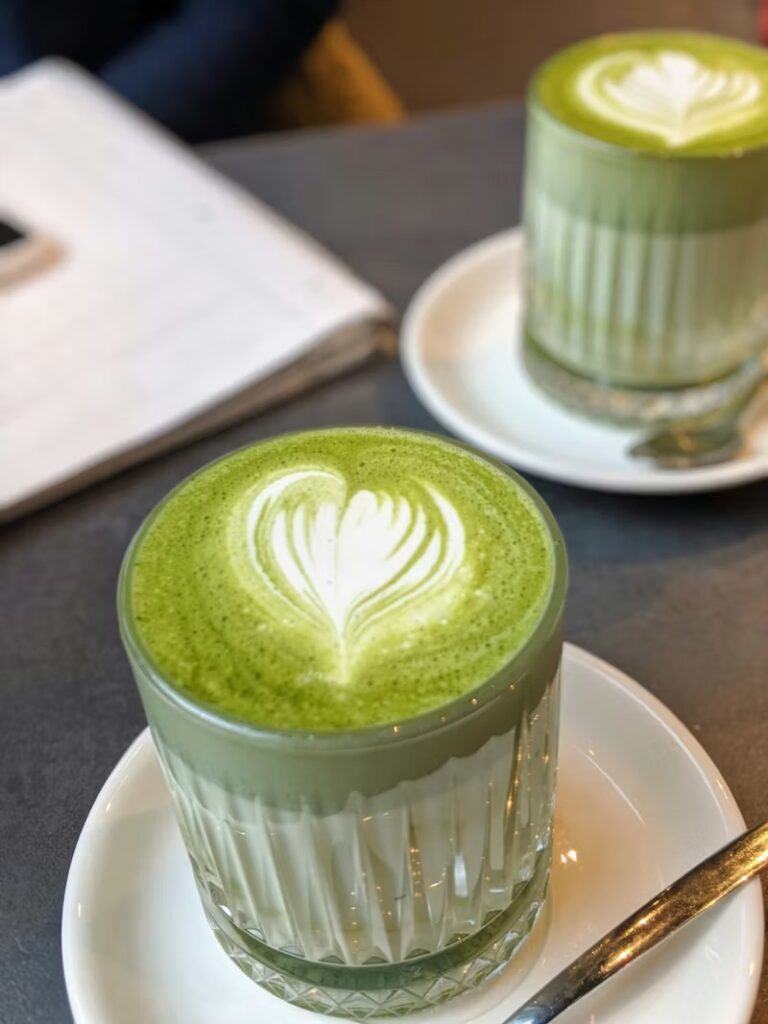
Between temple visits, shopping, and walking, a café break is a welcome pause — and Asakusa has a solid mix of coffee shops and traditional Japanese cafés to choose from. This isn’t about finding the single best café; it’s simply a good way to rest, especially in the middle of a longer day.
For specific recommendations, see our guide to the [best cafés in Asakusa](https://gojapanlocal.com/best-cafes-in-asakusa/).
Visit Asakusa Shrine
Just beside the Main Hall sits Asakusa Shrine, a Shinto shrine that’s easy to overlook if you’re focused on Senso-ji alone — but it’s a distinct site with its own history. According to the temple’s official information, the shrine honors the three men connected to the legendary discovery of Senso-ji’s principal image, and its current structure dates to 1649, built under the third Tokugawa shogun. It’s also the starting point for Sanja Matsuri, one of Tokyo’s largest annual festivals, held each May.
It’s a quick stop, but worth the few extra minutes if you’re already at Senso-ji. You can find more detail on the [official Senso-ji precinct guide](https://www.senso-ji.jp/guide/guide05.html).
Enjoy the Sumida River Area
A short walk from Senso-ji, the Sumida River offers a different pace entirely — open space, water views, and a break from the density of the temple area. It’s a good spot to sit down, take a walk along the river, or simply enjoy the view of the Tokyo Skytree across the water.
If you’re interested in a river cruise, several operators run boats from the Asakusa area, though schedules and pricing can change, so check current options directly with the operator before planning around one.
Walk Toward Kuramae for a More Local Atmosphere
If you have extra time and want to see a quieter side of the area, Kuramae is a short walk from Asakusa and has a noticeably different feel — fewer crowds, more independent shops and cafés, and a slower pace overall.
It’s best thought of as a complement to an Asakusa visit rather than a replacement for it. If you’re deciding how to split your time between the two, our [Kuramae vs. Asakusa](https://gojapanlocal.com/kuramae-vs-asakusa/) comparison can help, and our [Kuramae half-day itinerary](https://gojapanlocal.com/kuramae-half-day-itinerary/) is useful if you want a more structured plan for that part of the day.
How Long Do You Need in Asakusa?
This depends entirely on what you want out of the visit:
– **2–3 hours** is enough to see Senso-ji, walk through Nakamise, and get a feel for the area if you’re short on time.
– **Half a day** allows for a slower pace — the temple, a meal or snacks, a café break, and some unhurried walking.
– **A full day** gives you room for food, shopping, a kimono experience, the riverside, and possibly an extension into Kuramae.
There’s no single right amount of time — it comes down to your interests and how much else is on your Tokyo itinerary. If you want a complete plan, our [Asakusa 1-Day Itinerary](https://gojapanlocal.com/asakusa-1-day-itinerary/) lays out a full day in more detail.
A Simple Asakusa Route for First-Time Visitors
If you’re not sure where to start, here’s an example flow that covers the highlights without feeling rushed:
Kaminarimon → Nakamise → Senso-ji → Asakusa Shrine → lunch or street food → café break → Sumida River → optional Kuramae extension
This is just one way to structure the day, not a fixed itinerary — feel free to skip sections that don’t interest you or linger longer where they do. For a more detailed, hour-by-hour version, see our [Asakusa 1-Day Itinerary](https://gojapanlocal.com/asakusa-1-day-itinerary/).

Tips for Visiting Asakusa
– **Go earlier in the day** if you’d prefer fewer crowds, especially around Senso-ji and Nakamise.
– **Wear comfortable shoes.** You’ll likely be walking more than expected.
– **Don’t assume every shop or restaurant accepts cards.** Some smaller, long-running businesses are cash only.
– **Be respectful around temples and shrines**, even in busy tourist areas — they’re active places of worship.
– **Be mindful when taking photos** on narrow streets like Nakamise, especially during busy periods.
– **Check current opening hours** before visiting specific shops, restaurants, or attractions, since they can change.
– **Leave buffer time between activities.** Asakusa is easy to linger in, and a tightly packed schedule can feel rushed.
Final Thoughts
Asakusa works well for first-time visitors because it fits so much into a walkable area — a historic temple, traditional shopping, food, cafés, and a riverside break, with the option to extend into a quieter neighborhood if you have time. You don’t need to do it all in one visit; picking a few things that genuinely interest you will usually make for a better day than trying to cover everything.
Take some time to figure out which of these experiences matter most to you, and build your visit around them rather than trying to fit in everything at once.

