
Looking for the best things to do in Asakusa, Tokyo? This historic neighborhood is known for its temples, traditional shopping streets, Japanese street food, and cultural experiences. But there is more to explore than the main tourist attractions.
From visiting Senso-ji Temple and browsing Nakamise Street to exploring quieter backstreets and nearby Kuramae, this guide will help you make the most of your visit. You’ll also find practical tips for enjoying Asakusa respectfully and planning your day.

📍Map of Things to Do in Asakusa
- 1. Visit Senso-ji Temple In Asakusa
- 2. Walk Through Nakamise Street In Asakusa
- 3. Try a Kimono Experience In Asakusa
- 4. Explore Hidden Backstreets In Asakusa
- 5. Visit a Quiet Shrine
- 6. Relax at a Café in Kuramae
- 7. Enjoy Street Food In Asakusa
- 8. Take Photos at Sumida River
- 9. Shop for Unique Souvenirs In Asakusa
- 10. Experience Asakusa at Night
- How to Plan Your Visit to Asakusa
- Practical Tips for First-Time Visitors
- Explore More of Asakusa and Kuramae
- Final Thoughts
1. Visit Senso-ji Temple In Asakusa
Senso-ji is one of Tokyo’s best-known Buddhist temples and a natural starting point for exploring Asakusa. Begin at Kaminarimon, the famous gate with its enormous red lantern, then walk along Nakamise Street toward the temple grounds.
Take your time looking at the traditional architecture, lanterns, and details around the temple. You can observe visitors offering prayers and experiencing Japanese Buddhist customs. If you choose to participate, follow the signs and watch what others do rather than feeling that you need to copy every ritual.
Senso-ji can become very busy, especially around the main approach. For a calmer visit and better opportunities to appreciate the surroundings, consider arriving earlier in the day. Be patient around popular photo spots, and avoid blocking the path while taking pictures.

2. Walk Through Nakamise Street In Asakusa
Nakamise Street connects Kaminarimon Gate with the area in front of Senso-ji Temple. Its rows of small shops sell traditional snacks, sweets, souvenirs, and Japanese-style gifts, making it a lively place to explore on foot.
Take your time browsing the displays and comparing souvenirs. You may find folding fans, decorative items, Japanese sweets, and small gifts that are easy to pack for your journey home. Looking around is part of the experience, even if you do not plan to buy anything.
Nakamise can get crowded, so be considerate of other visitors and avoid stopping in the middle of the walkway. Before eating, check the shop’s instructions about where food can be enjoyed. Following local guidance helps keep the street comfortable for everyone.

3. Try a Kimono Experience In Asakusa
Wearing a kimono is a memorable way to experience a traditional side of Tokyo. Asakusa’s temple grounds and historic streets provide a distinctive setting for photos, making kimono rental a popular option for couples, friends, and solo travelers.
Before booking, check what the rental package includes. Hair styling, accessories, dressing assistance, and return deadlines can vary by plan. Confirm the rental duration and any additional charges before you reserve.
Choose comfortable footwear if you plan to walk around the neighborhood, and allow enough time to get dressed and return the outfit. When taking photos, be considerate of other visitors and avoid blocking entrances, narrow paths, or places of worship.
Explore kimono rental options in Asakusa.

4. Explore Hidden Backstreets In Asakusa
After visiting the main attractions, take a little time to explore the streets beyond the busiest tourist areas. Moving away from the main approach to Senso-ji can reveal small shops, neighborhood restaurants, and everyday scenes that are easy to miss when you follow only the crowds.
One street worth exploring is Denboin-dori, which runs near Nakamise Street. This traditional shopping street has an old-Tokyo atmosphere, with shops selling Japanese crafts, traditional goods, and other local items. It is a nice place to slow down and enjoy a different side of Asakusa beyond the busiest tourist route.
There is no need to rush from one landmark to another. Wander at a relaxed pace, notice the details of the neighborhood, and stop when something catches your attention. Remember that these streets are also part of a residential and working community, so keep noise down and respect private property.
For a more structured walk that connects Asakusa with nearby Kuramae, follow our Kuramae and Asakusa half-day walking route.

5. Visit a Quiet Shrine
If you want a quieter pause during your Asakusa visit, consider adding a small shrine to your walk. Shrines are part of Japan’s Shinto tradition, while Senso-ji is a Buddhist temple. Visiting both can offer a glimpse into the different religious traditions found throughout Japan.
At a shrine, be mindful of worshippers and follow any posted guidance. Keep your voice low, avoid entering restricted areas, and ask permission before photographing people. You do not need to perform religious rituals to appreciate the setting.
For a seasonal detour, visit our guide to Kuramae Shrine and its early-spring cherry blossoms and mimosa. Flowering conditions vary by year, so check recent local information if seeing the blooms is a priority.

6. Relax at a Café in Kuramae
Kuramae is a great addition to an Asakusa itinerary if you enjoy independent cafés and a slower pace. The neighboring area offers a different atmosphere from the busy streets around Senso-ji, making it a good place to pause between sightseeing stops.
Use a café break to rest your feet, enjoy a coffee or dessert, and discover another side of Tokyo’s neighborhood culture. Some cafés are small, so check their current opening hours and seating arrangements before making a special trip.
Want specific places to visit? Explore our guide to the best cafés in Kuramae to find a café that fits your route.

7. Enjoy Street Food In Asakusa
Asakusa is a fun place to sample Japanese sweets and snacks while exploring the neighborhood. Depending on what is available, you may come across melon pan, dango, senbei, and other traditional or modern treats.
Rather than buying everything at once, try one or two items that interest you and leave room to discover something else. If you have food allergies or dietary restrictions, ask the vendor about ingredients instead of assuming a snack is safe based on its appearance.
Follow each shop’s instructions about where to eat and dispose of rubbish properly. Public trash cans can be limited in some areas, so carrying a small bag for your rubbish can be useful.
For more ideas, read our Asakusa street food guide and Asakusa food guide.

8. Take Photos at Sumida River
For a change of scenery, walk toward the Sumida River. The riverside offers open views and a different perspective on Tokyo after spending time among temples, shops, and narrow streets.
This can be a pleasant place to slow down, take a break, or photograph the surrounding cityscape. The light near sunset can be appealing for photography, although the view and atmosphere depend on the weather and season.
For an elevated view of Asakusa, visit the observation terrace on the 8th floor of the Asakusa Culture Tourist Information Center, located across from Kaminarimon Gate. From here, you can look out over the surrounding streets and see Tokyo Skytree. It is a useful stop if you want a different perspective of the neighborhood without paying for an observation deck ticket.
Asakusa Culture Tourist Information Center – Taito City
Be aware of cyclists and other pedestrians, stay within designated walking areas, and avoid stepping into restricted spaces for a photo. If you plan to visit a particular riverside spot, check the route and conditions before setting out.

9. Shop for Unique Souvenirs In Asakusa
Asakusa has plenty of places to look for gifts and keepsakes. Depending on the shop, you may find traditional crafts, folding fans, decorative items, Japanese sweets, and small accessories that are easy to take home.
If you are interested in Japanese tableware or cooking, consider visiting Kappabashi Kitchenware Town, a shopping district near Asakusa. You can browse Japanese ceramics, chopsticks, kitchen tools, and realistic plastic food samples commonly seen in restaurant displays. It is a particularly interesting place to find practical souvenirs that are different from the usual tourist gifts.
Kappabashi Dougu Street Official Website
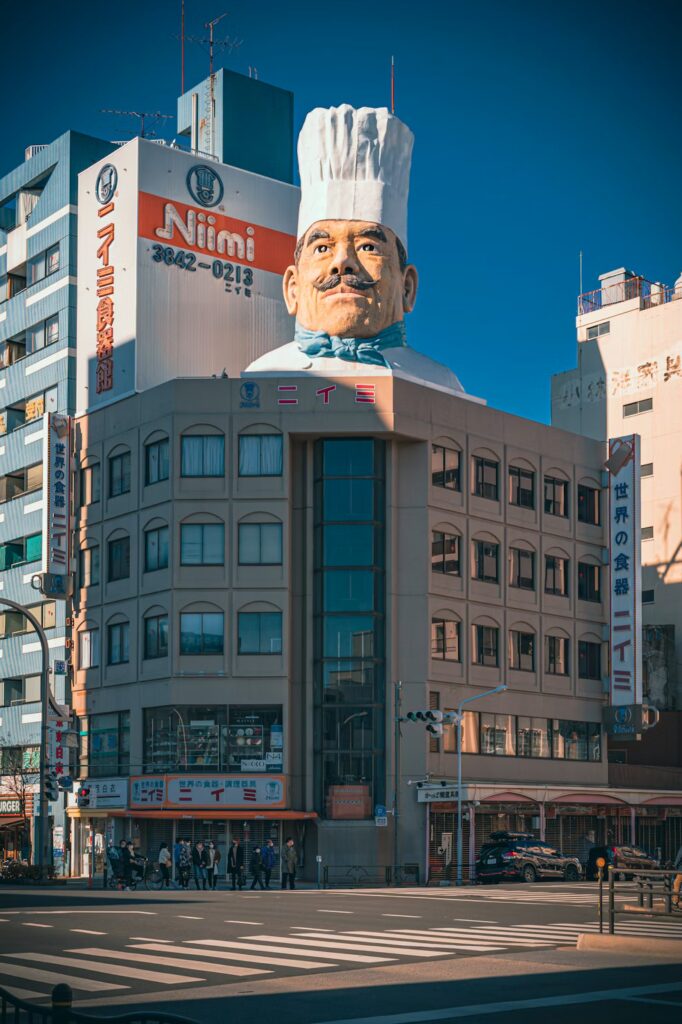
Think about who the gift is for and how you will pack it. Food souvenirs may have different storage requirements or expiration dates, while fragile items need extra protection in your luggage. If you are buying something handmade, take a moment to read the product information and understand what you are purchasing.
Small shops can have limited space, so handle products carefully and ask before photographing items or displays. A little patience and courtesy can make browsing more enjoyable for both visitors and shopkeepers.

10. Experience Asakusa at Night
Asakusa can feel different after the daytime crowds begin to thin. Walking past the temple area and along nearby streets in the evening gives you another way to appreciate the neighborhood’s architecture and atmosphere.
An evening walk can be a good option after dinner or after spending the day exploring Tokyo. Keep in mind that individual shops and attractions may close earlier than you expect, so do not assume that every place will remain open after dark.
Be respectful around religious sites and residential streets, especially when taking photographs. Keep noise down, avoid blocking entrances, and check current access information if you have a particular destination in mind.

How to Plan Your Visit to Asakusa
If this is your first visit, start with Senso-ji and Nakamise Street, then choose a few activities based on your interests. You could add a kimono experience, sample Japanese snacks, or walk toward the Sumida River for a change of pace.
If you prefer cafés and quieter neighborhood streets, consider combining Asakusa with Kuramae. You do not need to fit all ten activities into one visit. Choosing a smaller number of stops will give you more time to explore without rushing.
For a step-by-step route, use our one-day Asakusa itinerary. It can help you organize your sightseeing and decide how to spend your time in the area.
Practical Tips for First-Time Visitors
- Wear comfortable shoes. Exploring Asakusa involves walking between temples, shops, and nearby streets.
- Allow extra time for crowds. Popular spots can be busy, especially around the main temple approach.
- Check current opening information. Shop hours, availability, and seasonal conditions can change.
- Be considerate when taking photos. Avoid blocking paths, photographing people intrusively, or entering restricted areas.
- Follow local eating and rubbish rules. Check shop instructions and take your rubbish with you when necessary.
- Keep your plans flexible. Leave room for a café stop, a small shop, or a street that catches your eye.
Explore More of Asakusa and Kuramae
Asakusa is more than a list of famous attractions. Its temples, shopping streets, and local food offer different ways to experience Tokyo, while nearby Kuramae makes it easy to add cafés and neighborhood walks to your plans.
Continue planning your visit with these guides:
- One Day in Asakusa: A Perfect Tokyo Itinerary for First-Time Visitors
- Asakusa Food Guide: What to Eat and Where to Eat
- Best Street Food in Asakusa
- Best Cafés in Kuramae
- Kuramae Half-Day Itinerary
Final Thoughts
Asakusa is one of the best areas in Tokyo to experience traditional culture, compared to modern districts like Shibuya or Shinjuku.
Asakusa offers a perfect mix of traditional culture and modern experiences. From temples and food to hidden spots and cafés, there’s something for everyone to enjoy.
If you’re planning your trip, check out this one-day itinerary for a complete guide to exploring Asakusa.

